
The concept of wireless charging has changed the manner in which we charge our gadgets. In recent years, charging phones with cables was common for most people. Currently, there are a great number of smartphones, earbuds, and smartwatches that can be charged wirelessly. This technology is more convenient, smarter, and faster than ever in 2026.
Wireless charging has improved over the years thanks to efforts from companies such as Apple, Samsung, and Anker. Their phones have now been upgraded to high charging standards.
How Wireless Charging Works
Wireless charging involves electromagnetic energy. A charging pad transmits power to a device placed on it. The charger and the device do not require any cables.
The majority of wireless chargers are based on the Qi standard (pronounced chee). Numerous types of devices can be compatible with this standard and the same charging pad. All you do is put your phone on the pad, and the phone starts charging.
Wireless charging was initially low-speed. It was more time-consuming than a cable. However, new models now offer fast wireless charging. Others can charge a phone almost as well as a wired charger.
Charging Pads to Charging Everywhere.
Firstly, wireless charging had to be placed perfectly. Your phone would stop charging if it moved slightly. Today, charging pads are smarter. They permit a more flexible positioning.
Charging stands are also added in new designs. These allow you to use your phone while it’s charging. There are multi-device chargers that can charge your phone, smartwatch, and earbuds simultaneously.
There are even companies testing long-distance wireless charging. This implies that devices could charge without having to come into contact with a pad. Even though this technology is in its infancy, it demonstrates the extent to which wireless charging can reach.
Advantages of Wireless Charging.
Wireless charging reduces cable entanglement. You will not have to plug and unplug your device several times per day. It also guards against damage to charging ports.
It is also safer in some ways. There is reduced wear and tear since the cables are not exposed. Most modern chargers have safety segments to prevent overheating.
The other strength is convenience. Wireless charging stations are increasingly used on residential premises, in offices, and even in other places such as cafes and airports.
Are There Any Downsides?
Even wireless chargers could be slower than the fastest wired chargers. It is also possible that they generate some excess heat.
Another issue is cost. Additional accessories that you have to purchase are wireless charging pads. Not all devices fully support wireless charging.
The Future of Wireless Power
The advancement of wireless charging is getting better with each passing year. Engineers are striving to make it more efficient and faster. We can expect to see desks, cars, and public places in the future with built-in surfaces of wireless charging.
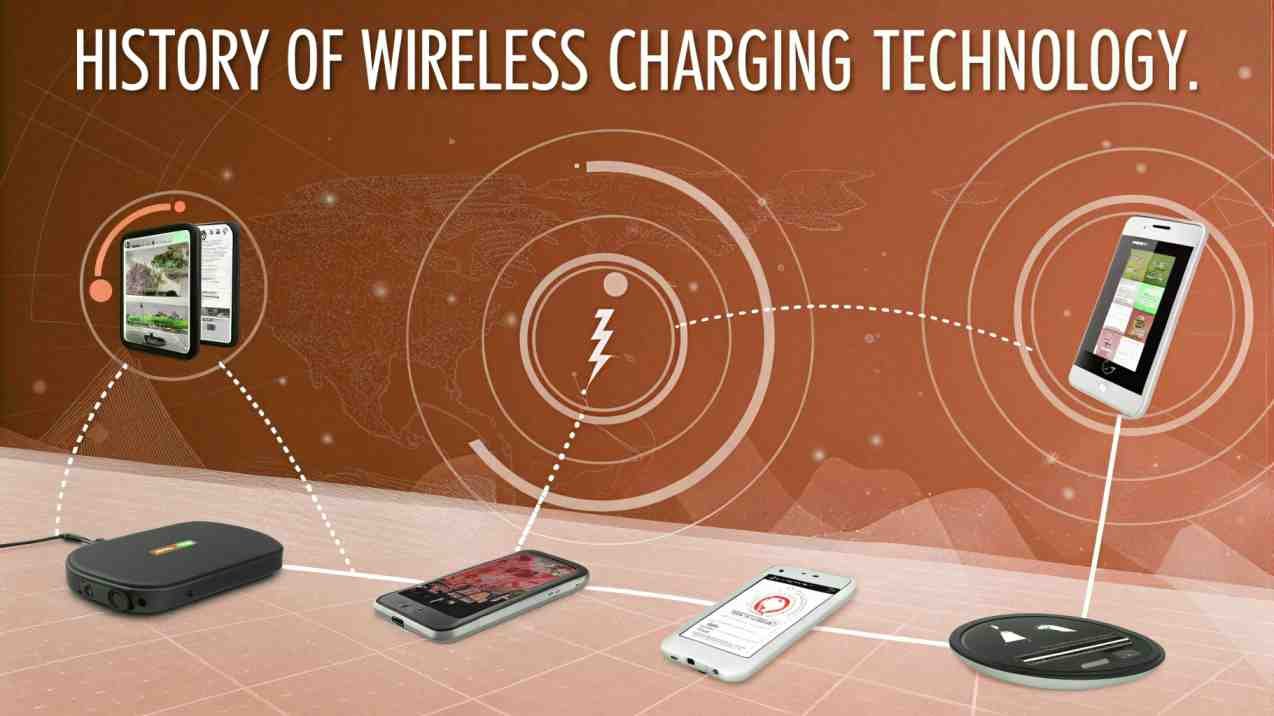
The history of wireless charging indicates that technology is shifting to convenience. Although the use of cables is still prevalent, wireless power has become a reality of modern life.
By 2026, it will no longer be a luxury to charge your device without plugging it in. It is an easy and clever way to keep oneself energized all day long.